Extra appointments are now available for people in the West Midlands who need urgent or unscheduled...
Top 10 facts about oral health and dentistry
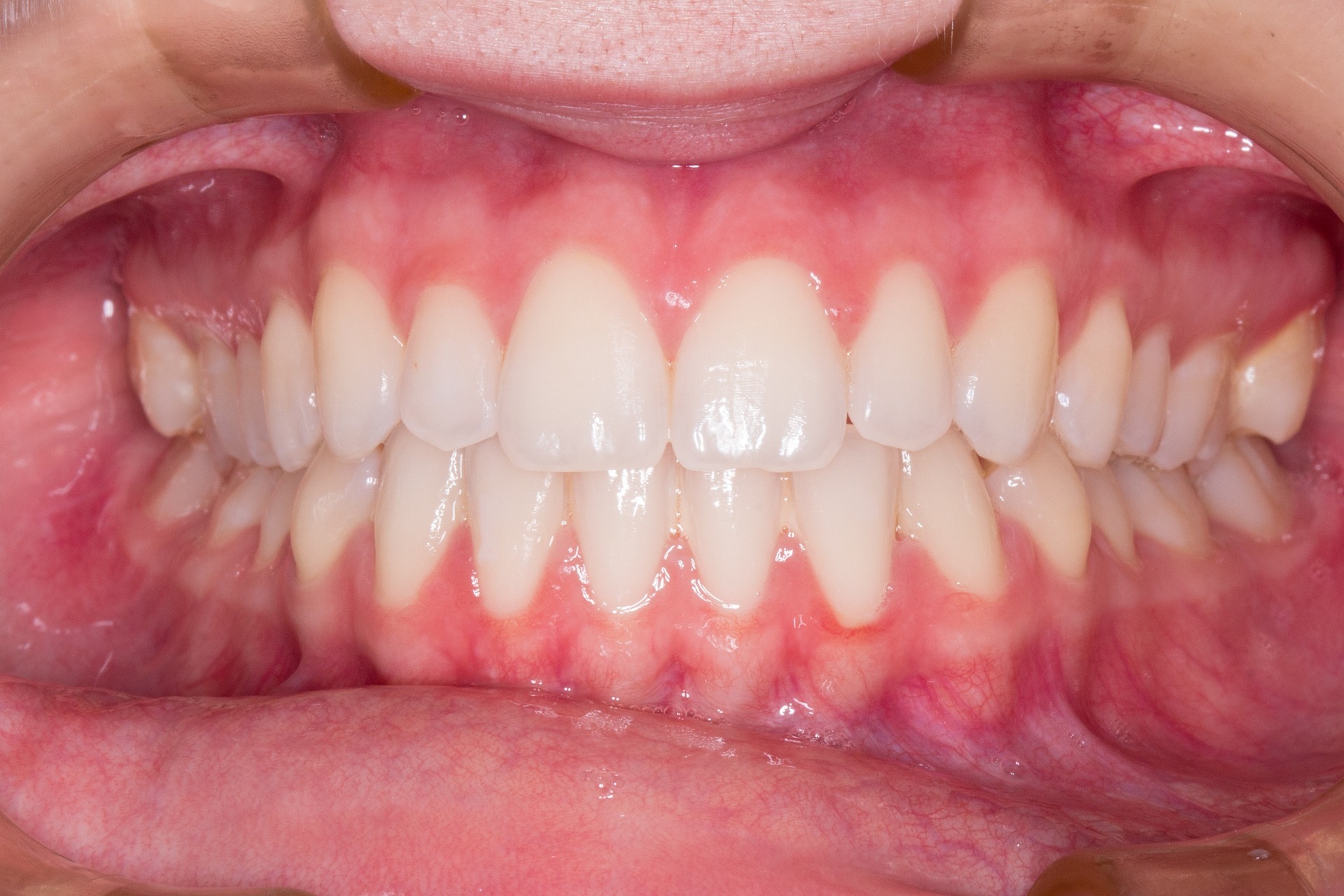
Here, we look at some of the weird and wonderful facts about dental practises and teeth
Tooth enamel is the hardest substance in the human body
Even stronger than bones, tooth enamel is a highly-mineralised layer that protects the inner layers of the tooth from damage.
Enamel is composed of about 96% hydroxyapatite crystals, which give it exceptional hardness, ranking around five on the Mohs hardness scale.
While enamel is incredibly durable, it can be damaged by acids, bacteria, and poor oral hygiene and, once damaged, it cannot repair itself.

Teeth are as unique as fingerprints
Each individual’s dental structure is distinct due to various factors such as size, shape, and wear patterns, making them essential for identification.
As such, dental records are often used in forensic science to confirm identity, as even identical twins have slight differences in their dental patterns and crowns and other dental work can create unique features that contribute to individual identification.
Enamel thickness and any staining from lifestyle choices also add to the uniqueness of a person’s teeth.
Saliva is a natural cavity fighter
Saliva is a natural cavity fighter that plays a crucial role in preventing tooth decay.
It neutralises acids produced by bacteria, washes away food particles, and provides essential minerals like calcium and phosphate that help remineralise enamel.
Saliva also forms a protective film on teeth, reducing the risk of acid erosion.
Some people never grow wisdom teeth
Wisdom teeth, also called third molars, usually appear during early adulthood.
Many people have one to four wisdom teeth, although they do not always erupt through the gums.
Some people do not have wisdom teeth at all. This is called agenesis, a congenital absence of teeth, in which the teeth fail to form between their ages of growth and development.
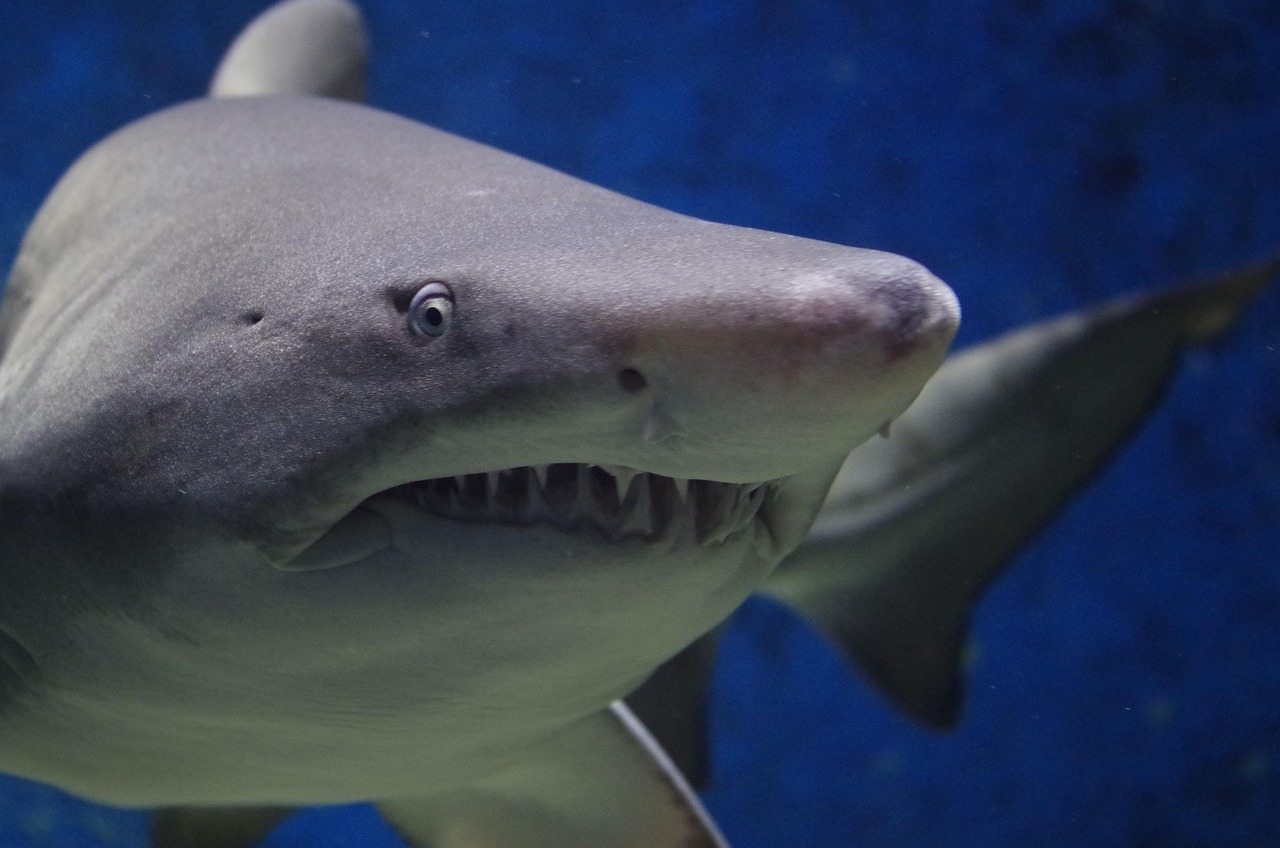
A human’s teeth are genetically the same as a shark’s
We may not be able to make new teeth like a shark, but the ones we do have are almost identical to those in the mouths of the aquatic predator and, in fact, almost all fish.
And learning more about shark teeth and how they regenerate could eventually teach us how to grow new human teeth in later life.
Teeth cannot heal themselves
Teeth cannot heal themselves like bones because enamel is non-living, containing no cells or blood vessels to repair damage.
Once enamel is lost to decay, chips, or cracks, it is gone forever and requires professional dental treatment.
Taste buds live for just 10 days
Taste buds are clusters of 50-150 specialised cells located on the tongue’s papillae and responsible for detecting the five basic tastes: sweet, sour, salty, bitter, and umami.
Each taste receptor cell within a taste bud has a short lifespan of roughly 10-14 days, after which it is naturally broken down and replaced by new cells generated from basal stem cells at the base of the taste bud.
This continuous renewal ensures the sense of taste remains functional despite the harsh environment of the mouth, including exposure to hot, spicy, or acidic foods.
The average human produces 100,000 gallons of saliva in their lifetime
This amount is enough to fill two swimming pools.

Teeth develop in the womb
Teeth begin to develop before we are even born, though they will not then come through until we are between 6-12 months old.
Most children have a full set of 20 milk or baby teeth by the time they are three years old. Then, on reaching five or six, these teeth start to fall out in order to make way for adult teeth.
The first toothbrush dates back to 3500
Toothbrush-like tools, such as a stick with a frayed end, date back to 3500-3000 BC – the era of Babylonians and the Ancient Egyptians.
The first known bristle brushes to resemble the toothbrush we know today date back to the Tang Dynasty and around 700AD. These were comprised of a handle made from animal bone or bamboo and hog-hair bristles.
And there is evidence the Romans used sterile urine to rinse out the mouth!