
Rachael England has been appointed as the new head of policy and advocacy for the Oral Health...
Study looks at the effects of nicotine pouches on oral health
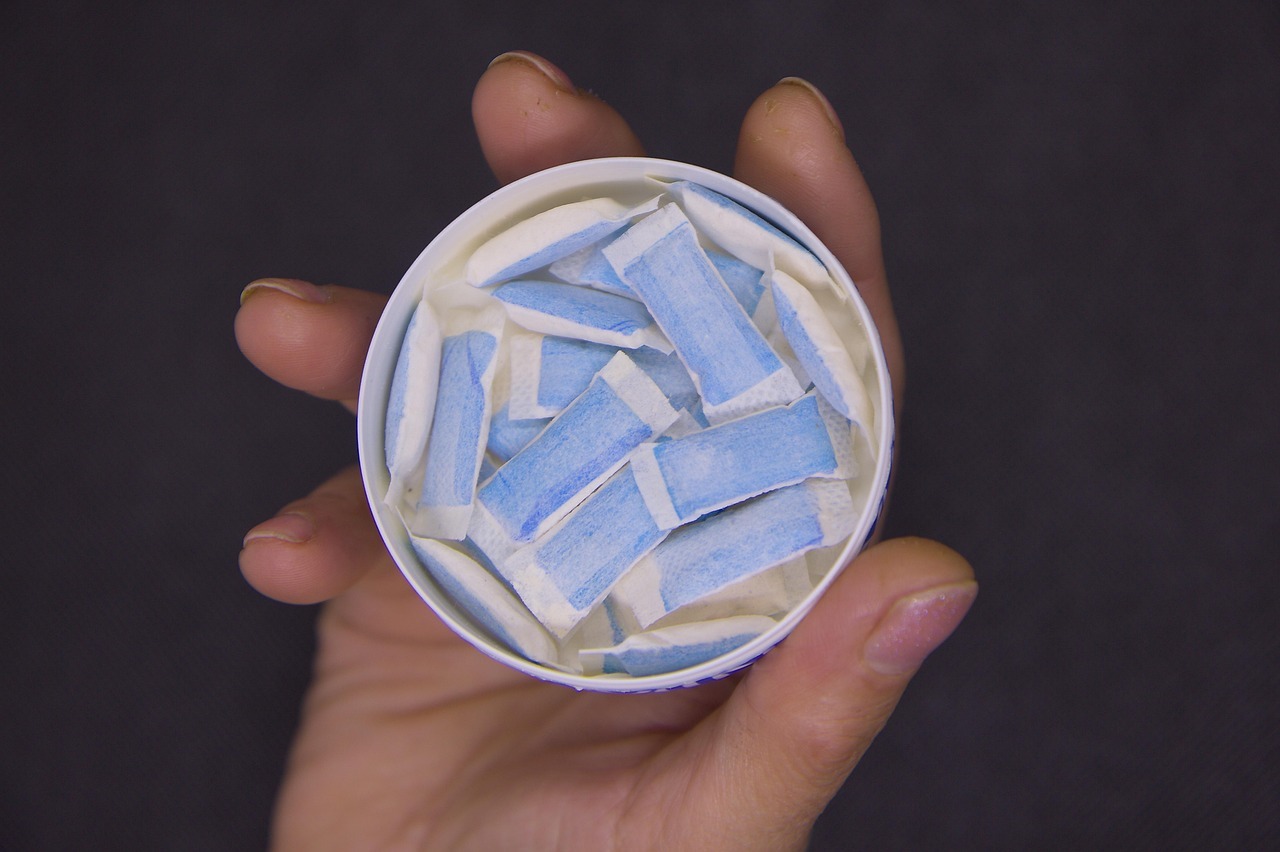
Dental experts at Newcastle Hospitals NHS Foundation Trust and Newcastle University are leading a new study to determine how nicotine pouches affect oral health.
Nicotine pouches are small sachets that are placed between the lip and gum and release nicotine into the bloodstream.
While they are thought to be less toxic than cigarettes, limited research means long-term side effects have not been determined.
The probe comes as the use of nicotine pouches in the UK has increased over recent years and awareness is rising among adults and children.
As part of the study, participants will be asked to complete a short, anonymous online survey that collects information about their nicotine pouch use and any changes they may have noticed to the teeth or gums. Participants will also have the option to submit photos of the inside of their mouth. This will help researchers to assess whether any changes in the gums, cheeks, or tongue are associated with nicotine pouch use.
The study is led by the National Institute for Health and Care Research Dental Research Facility (NIHR Dental CRF) Newcastle, based at Newcastle’s dental hospital.
Dr Richard Holliday, honorary consultant in restorative dentistry at Newcastle Hospitals NHS Foundation Trust and senior lecturer at Newcastle University, is overseeing the study. He said: “The use of nicotine pouches as an alternative to smoking and vaping has increased in recent years.
“Although nicotine pouches are tobacco-free, there remains a lack of robust, independent research on their long-term impact on oral health.
“This first-of-its-kind study will help us to gather much-needed information to inform future health guidance.”
Dentists will also be given the opportunity to take part in the survey where they can report clinical features they have noticed in patients using nicotine pouches.
A small number of participants will be invited to attend the NIHR Dental CRF for clinical tests, including biopsies of the mouth, if required.
The study is funded by the Oral and Dental Research Trust and the British Society for Oral and Dental Research.