-4.jpg?width=600&name=Untitled%20design%20(41)-4.jpg)
Marcuccilli Dental Care in the Scottish town of Airdrie in North Lanarkshire has been sold to...
Lab consolidation: Why the last mile matters most
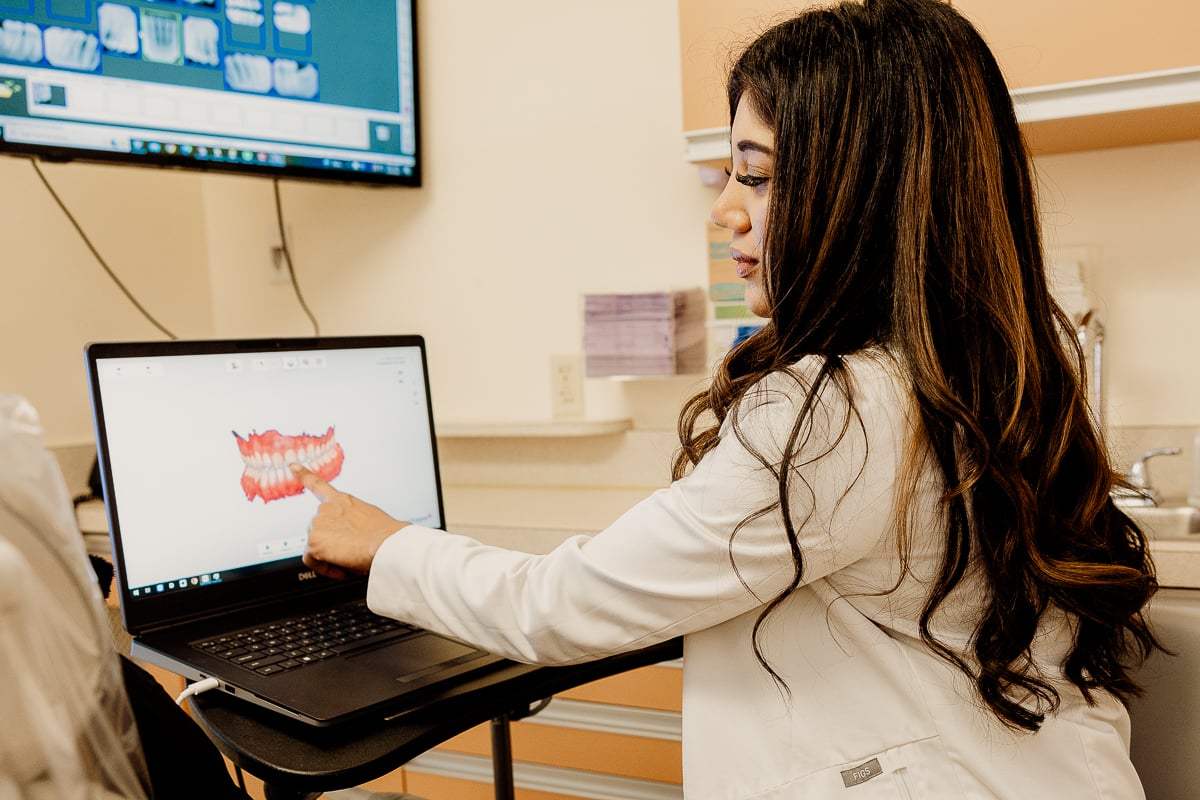
Matthew Brown, senior manager of strategic partnerships at Dandy, discusses lab consolidation for dental groups
Rowing 3,000 miles across the Atlantic teaches you many things, but one lesson that I apply over and over again in my career is to channel an endurance mindset.
Oftentimes, with large business initiatives, the beginning is exciting, the middle miles test your grit, and the last mile is where you actually win or lose.
Lab consolidation is one of the most-effective levers dental groups have to improve both margin and consistency. It’s also one of the hardest to get right.
Most organisations start with a patchwork of lab partners and workflows that grew organically over time. Eventually, though, that complexity catches up with you. You’re not getting quantity pricing so costs creep up, across labs outcomes can vary, and predictable workflows start to feel like a bit of a gamble.
The natural instinct is to push hard and standardise quickly. However, brute force alone won’t get you through rough conditions. You need a plan that accounts for the environment you’re operating in, and in this case, that environment is your clinicians.
Top-down mandates can look efficient on paper, but, in reality, they often create friction and can result in expensive turnover. No one wants to be forced into a workflow they didn’t help shape
Start with alignment, not a mandate
In a rowing shell, if even one person is out of sync, the entire boat loses efficiency. The same is true here. Lab decisions are about more than just operations for clinicians. They’re tied to how clinicians practice and what they trust.
Top-down mandates can look efficient on paper, but, in reality, they often create friction and can result in expensive turnover. No one wants to be forced into a workflow they didn’t help shape.
The dental groups that do this well start with alignment. Clinical leaders define what ‘good’ looks like; operations ensure the workflow actually works day to day; and finance makes sure it scales. When those three groups are aligned, consolidation stops feeling like a directive and starts feeling like a smart, shared decision.
Pilot with intention
You don’t wake up one day and decide to row across an ocean. There’s training, nutrition, building up skills, mapping out logistics, acquiring the right equipment, etc. The same discipline applies here.
For many dental groups, it makes sense to start with a contained pilot:
- Begin with a defined group of practices
- Achieve clear, measurable outcomes like turnaround time and remake rates
- Get real clinical validation, not just theoretical improvement
When clinicians experience a better, more-predictable process on the first try, adoption doesn’t need to be forced.
And, when word gets out that the work is going smoother, restorations are easy to seat, and adoption is easy, you’ll see that deploying consolidation across more practices quickly gains momentum.
Success comes down to execution. Training has to reflect real workflows, not idealised ones. Ordering needs to be simple and intuitive. And those first few cases have to go right. That’s where trust is either built or lost
The last mile: Where it usually breaks
In rowing, we talk about the ‘last mile of the last stroke’. It’s where fatigue is highest and small mistakes have the biggest consequences.
In a dental group, that last mile happens in the operatory.
This is where many consolidation efforts fall apart. If the new lab partner introduces friction – whether it’s ordering, communication, or case quality – clinicians will default back to what’s familiar. It doesn’t matter how strong the strategy was upstream.
Success here comes down to execution. Training has to reflect real workflows, not idealised ones. Ordering needs to be simple and intuitive. And those first few cases have to go right. That’s where trust is either built or lost.
Where Dandy fits in
This is exactly where we spend our time at Dandy. The last mile of consolidation needs to feel easier for the clinician, not harder.
In practice, that looks like tight feedback loops, predictable quality and turnaround times, tools that expedite processes and are easy to learn how to use, and built-in workflows that make their day go smoother.
At the end of the day, the lab standardisation race is won when you make the experience better at the point of care.