

The General Dental Council (GDC) has issued a warning to dental practitioners over comments or...
Dental owner interview: Striking a balance
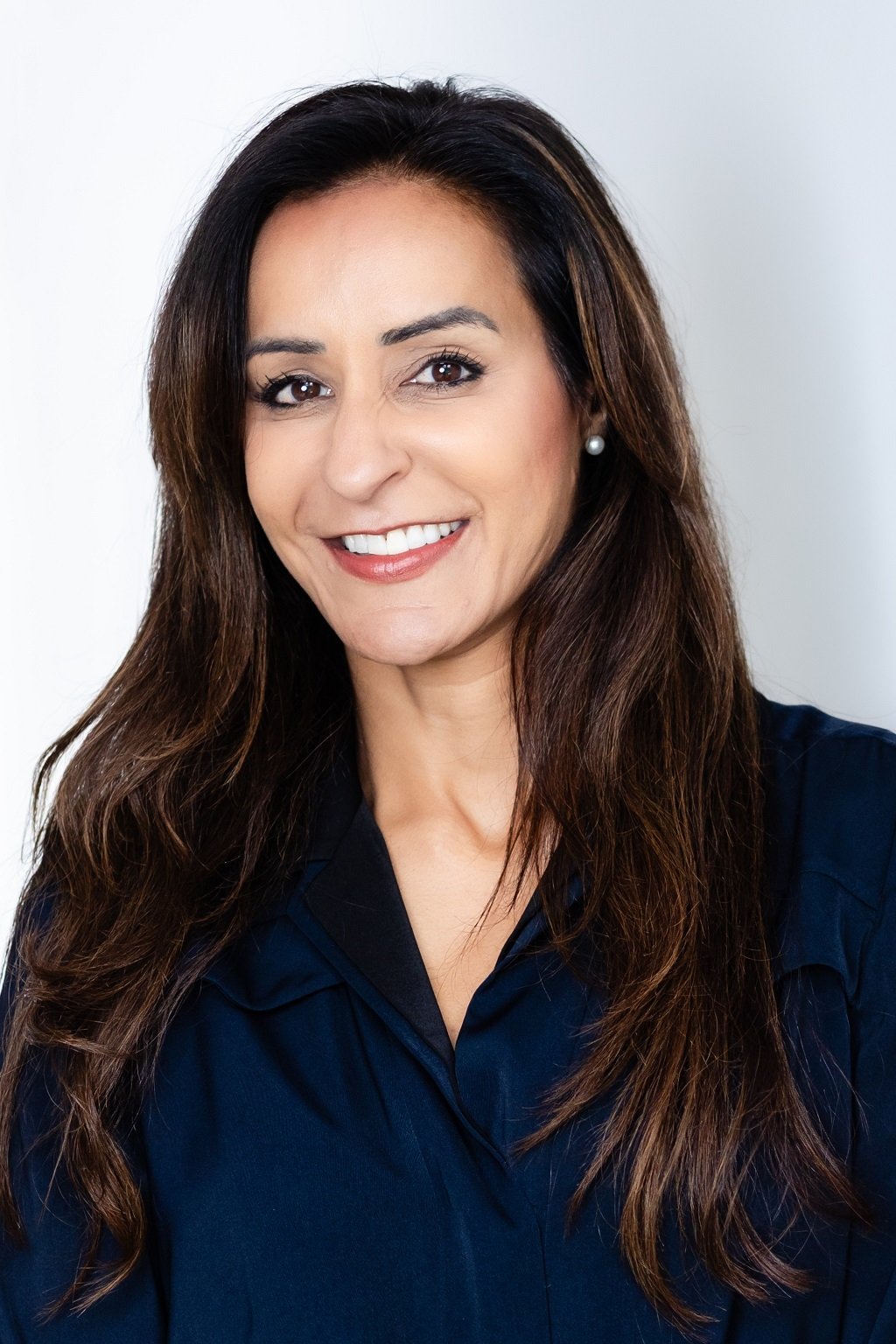
Dentist Times Owners Club continues its series of interviews with dental practice owners from across the country, exploring their career pathways, successes, and ambitions for the future.
This week editor, JO MAKOSINSKI, speaks to ANUSHIKA BROGAN, chief executive of Damira Dental Studios, about the importance of striking a balance, having a clear vision, and building the right team.
Q: When did you first decide on a career in dentistry?
A: I decided quite early on that I wanted a career in healthcare, but what really drew me to dentistry was the balance of clinical skill and human connection.
You’re not just treating a problem – you’re helping someone feel better, more comfortable, and often more confident, too.
I went to university at 17 and qualified at 22, so I was very young, and it was tough at times.
But I always knew I wanted to do something meaningful, where I could support people in a practical way and build something long-term.
Q: Tell us about your early career?
A: My early years were a steep learning curve. Of course, it was about developing clinically, but I was also learning about people, leadership, and what makes a practice run well day to day.
I worked in different environments and paid attention to everything: how patients were treated, how teams communicated, what worked, and what didn’t.
I was inspired early on by a female practice owner, which wasn’t that common at the time. She also had a friend with multiple practices, and that idea really stayed with me.
I later worked in a multi-site company and that’s where my ambition to build something bigger started.
I actively sought mentors early on because I wanted to understand how to acquire and run practices properly.
Q: What made you decide to buy your first practice?
A: I bought my first practice in 2003, at 26.
I wanted independence and I knew that meant creating financial freedom for myself.
It was a big decision and, in all honesty, I didn’t fully know what I was doing at the time. I just believed I could learn quickly and figure it out.
There was some pushback in my personal life, but I had a clear vision.
I wanted my own standards, my own culture, and a practice where patients felt properly looked after and teams felt supported to do their best work.
It was a huge risk as an associate, but it was also the best decision I ever made.
Early on, I learned that if you take an under-performing practice and invest properly, refurbish it, expand capacity, improve systems, and build the right team, you can completely transform the patient experience
Q: How has your business developed and grown since then?
A: It has grown steadily and with a very clear model.
Early on, I learned that if you take an under-performing practice and invest properly, refurbish it, expand capacity, improve systems, and build the right team, you can completely transform the patient experience.
A big part of our approach has been strengthening NHS access while also introducing private services, where appropriate, so practices become more sustainable long term.
Within a couple of years of buying that first practice, we’d expanded to four surgeries and built something that could run smoothly, even when I stepped away for maternity leave.
When I came back and it was associate-led and paying itself off, I remember thinking: there’s a strong business model here.
Today, Damira has grown into a network of over 50 practices, but the principles have stayed the same: improve, invest, support teams, and keep patient care at the centre.
Q: What have been the main challenges of owning and growing your business?
A: Growth comes with constant problem-solving. Things do go wrong – that’s business – so you need resilience and you need to stay solutions focused.
One of the biggest challenges is maintaining consistency at scale.
Recruitment has been a challenge, particularly in the current market. But I’ve learned to stay agile – to adapt, change direction quickly when we find a better way,and take opportunities when they’re there
What works brilliantly in one practice is sometimes hard to deliver across multiple sites without losing the culture and quality that made it successful in the first place.
Recruitment has also been a challenge, particularly in the current market. But I’ve learned to stay agile – to adapt, change direction quickly when we find a better way,and take opportunities when they’re there.
The business must evolve, and the team has to constantly evolve with it.
Q: What are your future plans for your practices?
A: My focus is sustainable growth, continuing to expand when the opportunity is right, but always with purpose and with the right foundations in place.
I plan to consolidate, but I won’t miss the right opportunity.
Alongside growth, we are continuing to invest in technology that adds real value.
The right technology improves consistency, efficiency, and the patient experience, and it helps teams deliver high standards every day.
Q: What advice would you give to someone thinking of buying their first practice?
A: First, be honest with yourself about whether you truly want ownership.
Practice ownership isn’t for everyone, and there is absolutely nothing wrong with staying clinical and being the best dentist you can be.
You will make mistakes, everyone does, but the key is learning quickly, improving the process, and moving forward without a blame culture
But if you have the business mindset and you are drawn to building something, don’t be afraid of the risk, just make it a calculated one.
Do your due diligence properly, and don’t take everything at face value — agents are selling, so check the numbers carefully. Understand the team, the patient base, the contracts, and what actually needs fixing. And then, once you commit, commit fully.
Work hard, build strong systems, invest in your people, and stay agile.
You will make mistakes, everyone does, but the key is learning quickly, improving the process, and moving forward without a blame culture.

-Mar-03-2026-10-26-19-4166-AM.jpg?width=600&name=Untitled%20design%20(6)-Mar-03-2026-10-26-19-4166-AM.jpg)